
COLD
BY DESIGN.
We're developing the next generation of alcohol-free beer.
Our aim: more flavour, lower CO₂ emissions.
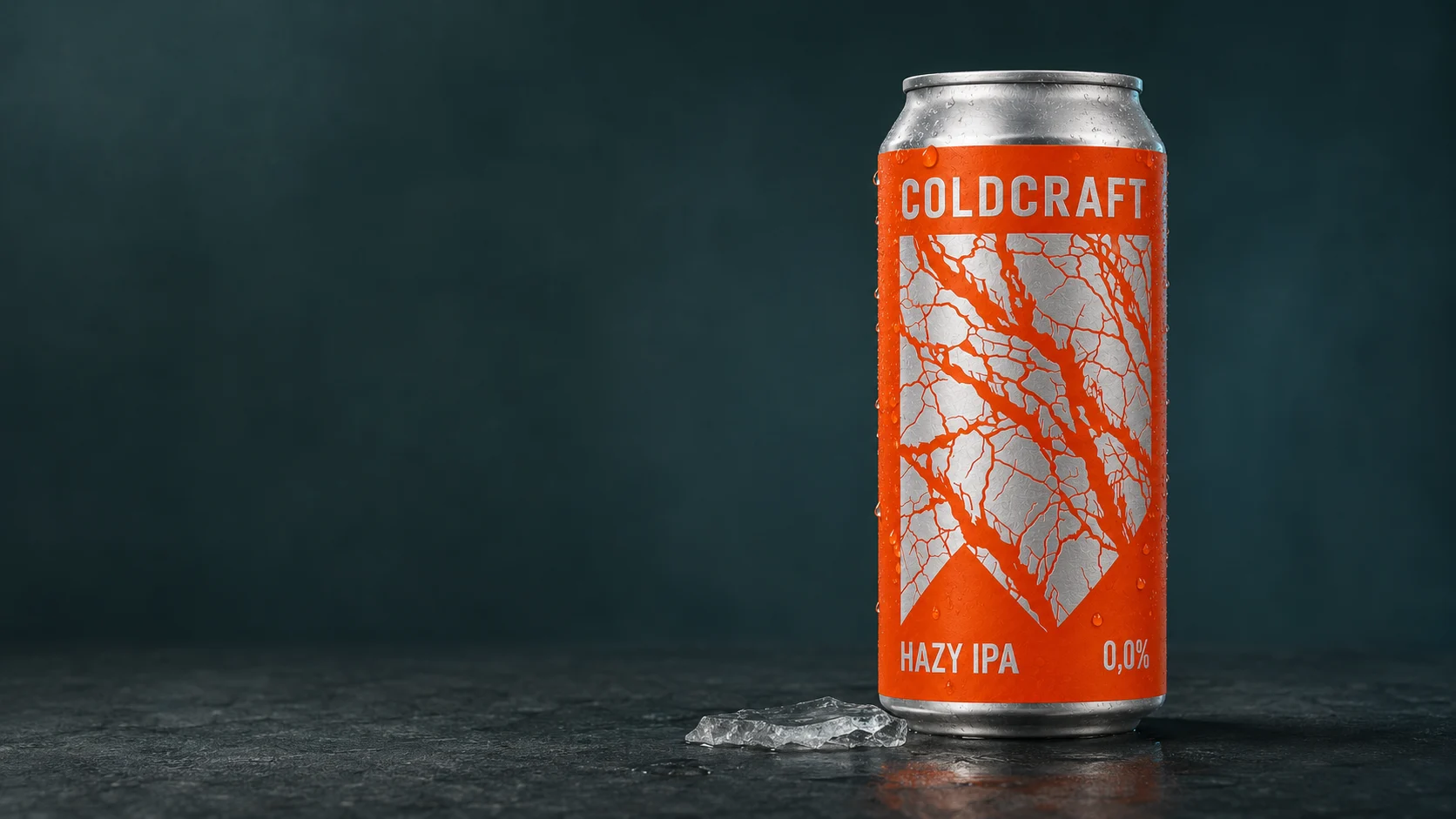
01 / THE BEER
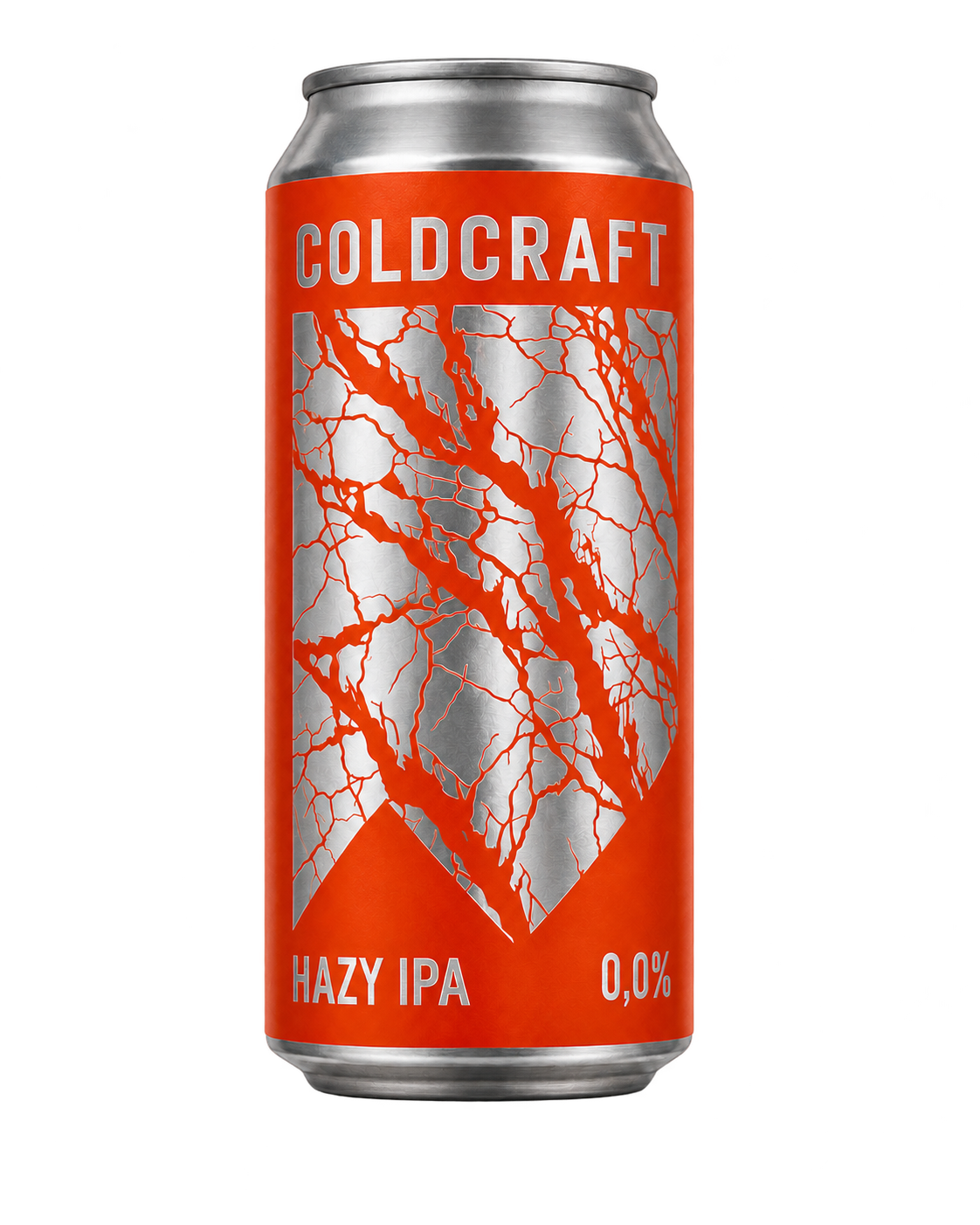
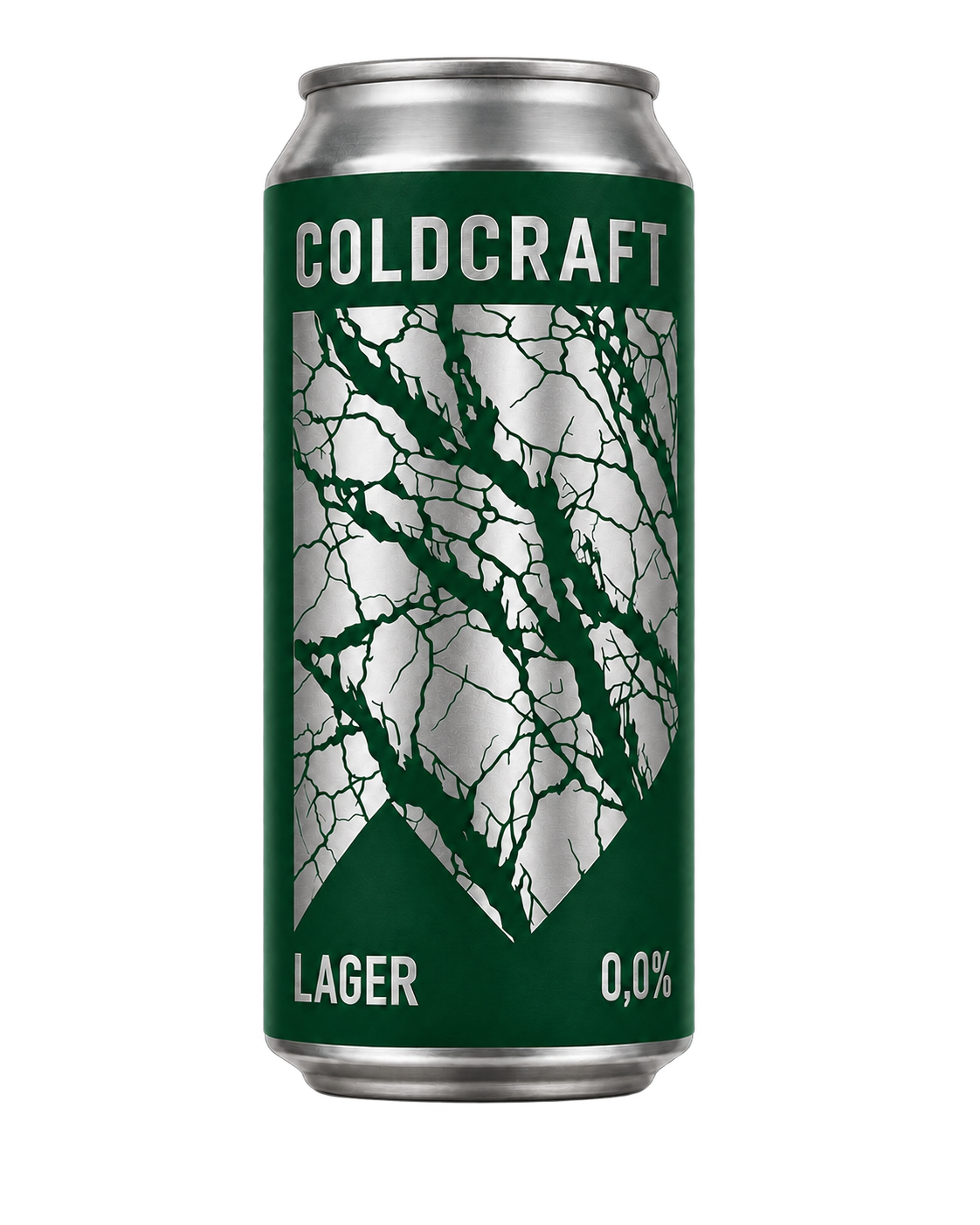
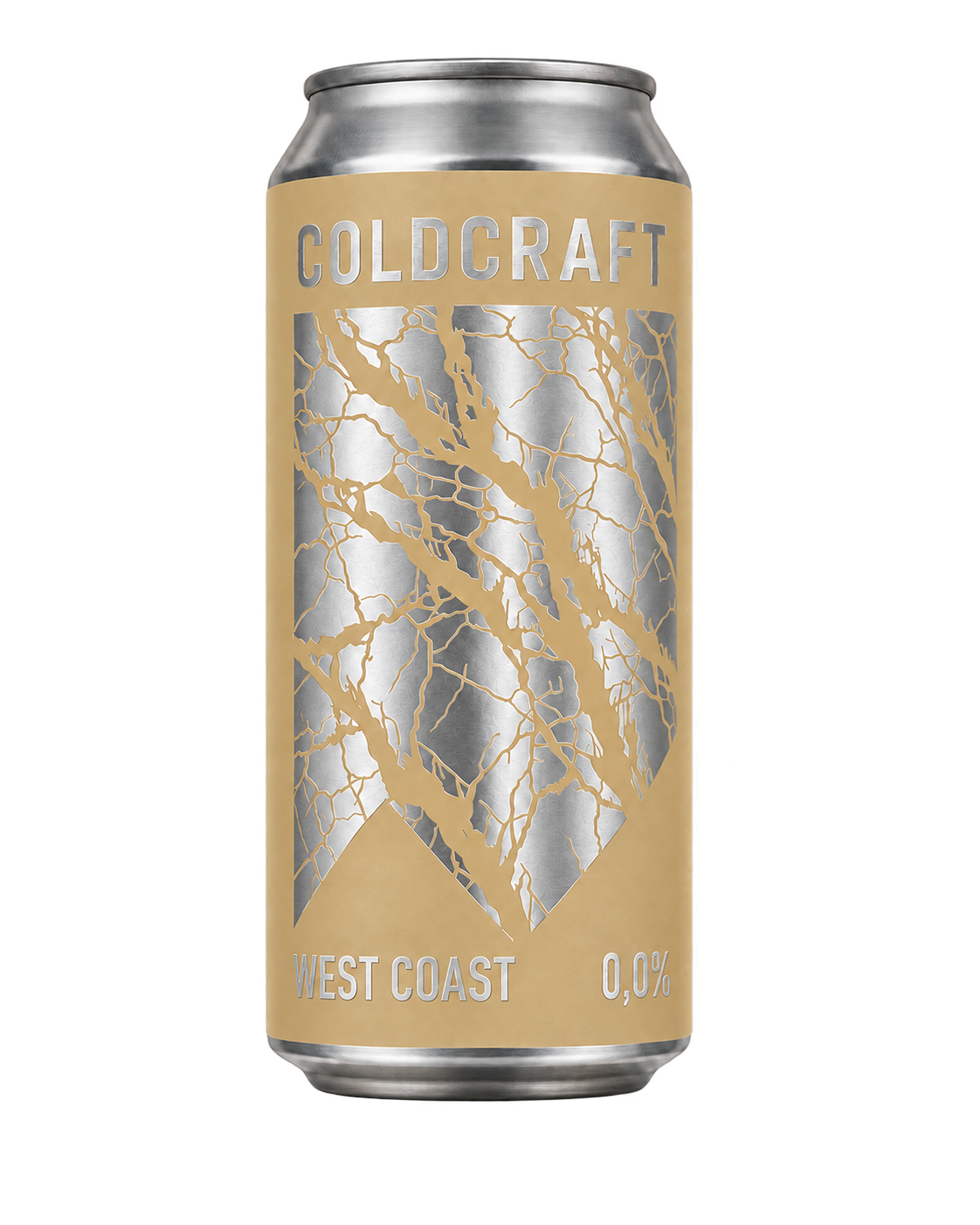
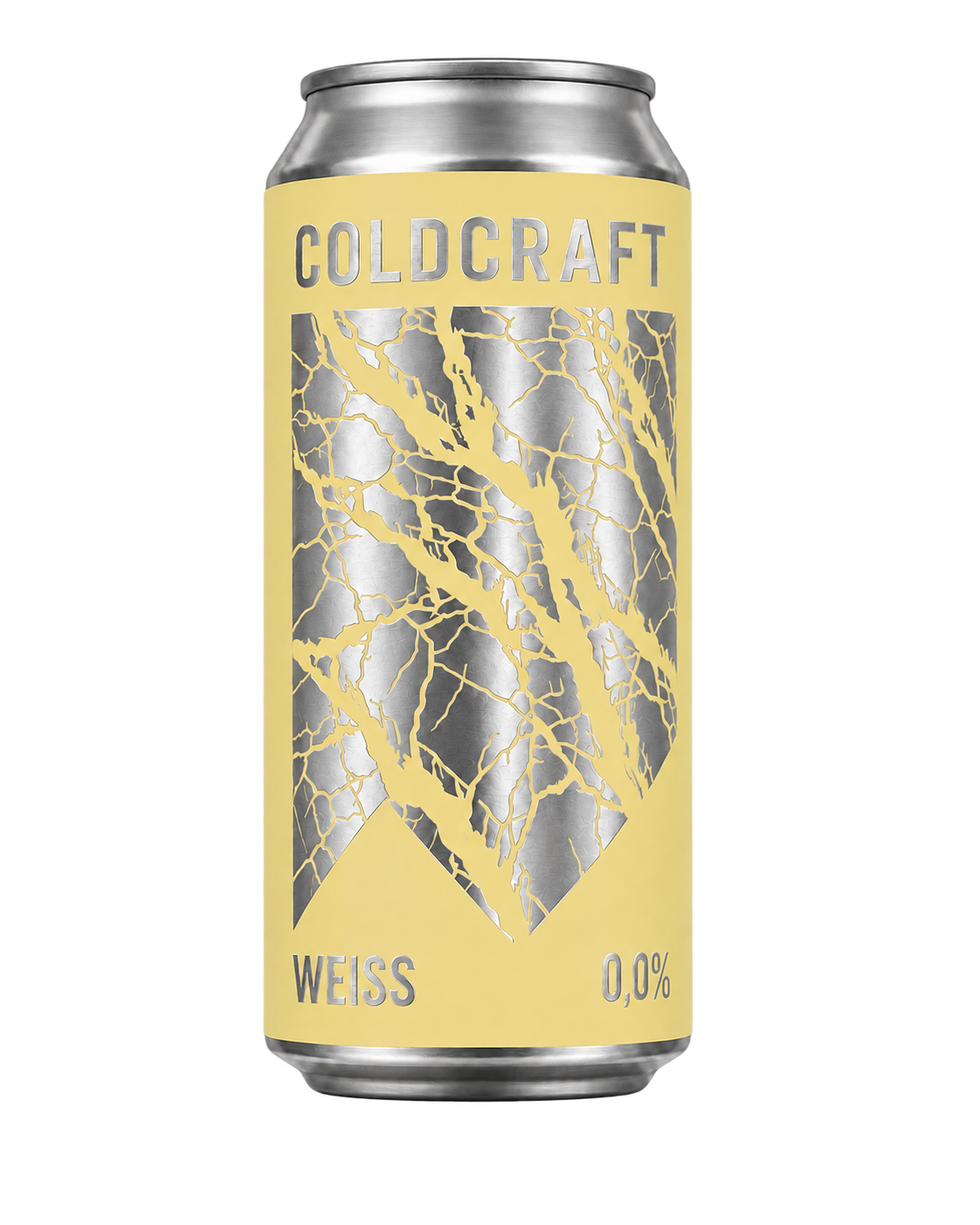
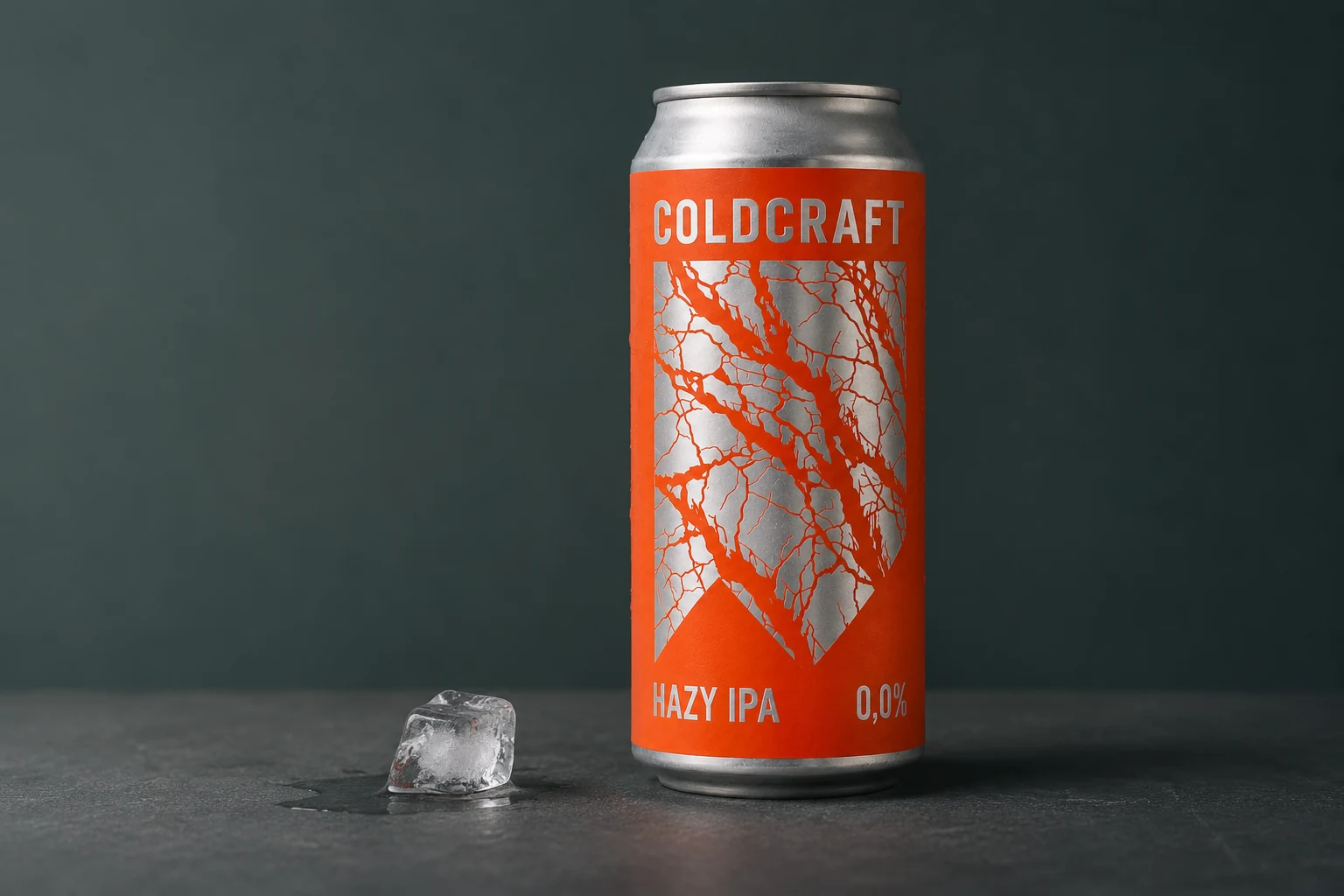
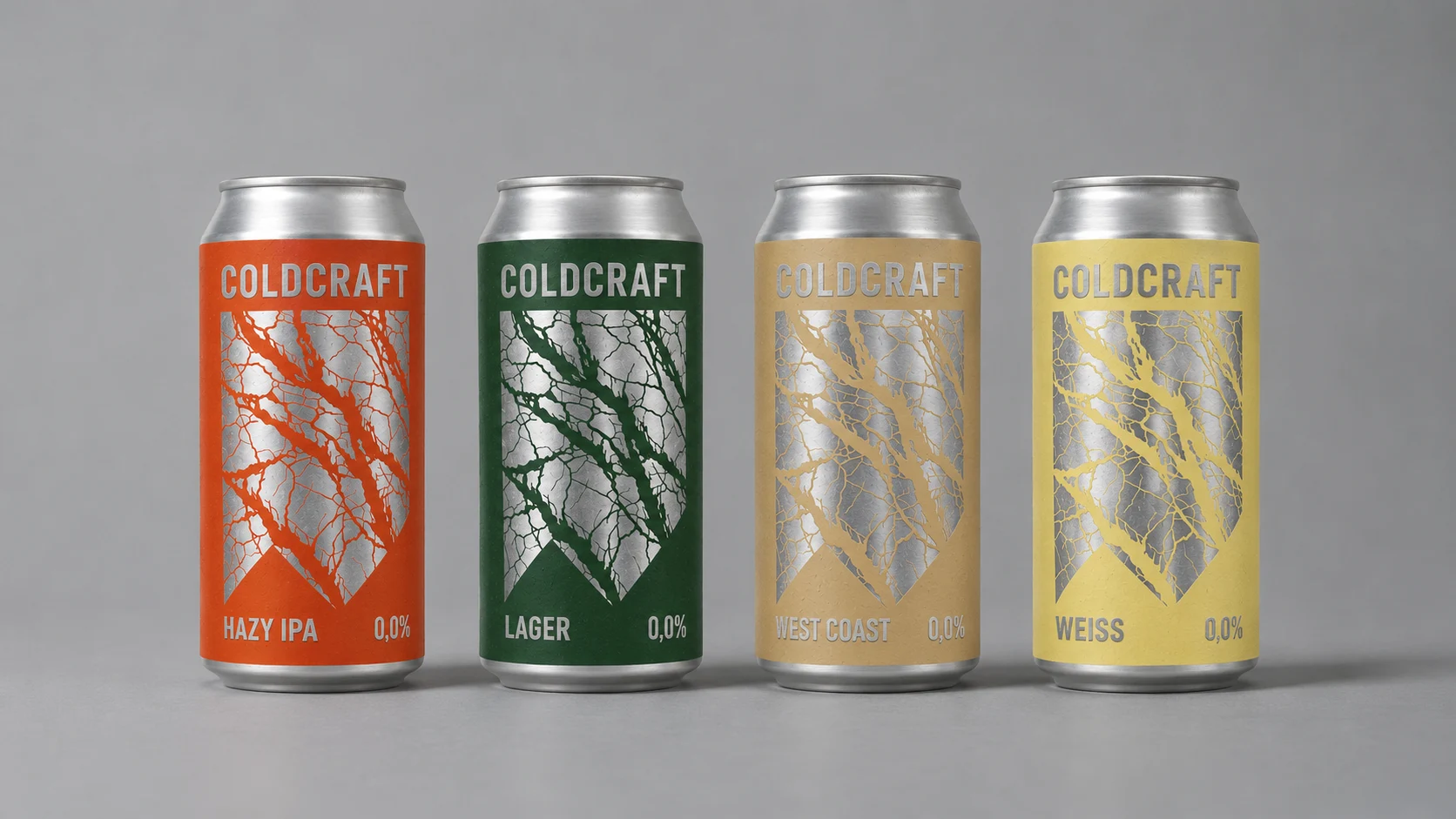
MEET THE BEERS.
Hoppy, crisp or something softer.
What do you fancy?
02 / THE METHOD
LET'S TALK
ABOUT TASTE.
Good alcohol-free beer takes a bit of work.
We work with malt, hops and aroma, tasting and adjusting until they get along. Our research looks at how lower temperatures can help.
How we workExplore energy, water and CO₂Build the base.
Prepared malt ingredients give us a starting point for colour, malt character and body. We blend them with water and adjust the balance for each style.
TRY THE CALCULATOR / PRODUCTION-SITE SCENARIO
RUN THE
NUMBERS.
Pick a batch size.
See what changes.
Compare brewing and cold blending. Adjust the energy, water and production settings to explore the difference.
See and change the inputsPublished brewery benchmarks meet editable cold-process assumptions. These are calculated scenarios, ready to update with production measurements.
Fuel for heat + electricity
PER 1,000 L FINISHED BEERFor 1,000 litres, cold blending uses 153 kWh and 3,500 litres of site water. Energy-related CO₂ is 30.9 kilograms.
Adjust the inputs
Inside the cold-process example
A 1,000-litre example batch
The starting cold-process inputs come from this engineering budget. Volumes, equipment loads and timings are assumptions you can replace with your own measurements.
- Product-water allowance
- 1,000 L
- Hot cleaning water
- 1,000 L
- Cold rinses
- 1,000 L
- Other site water
- 500 L
Cleaning-water quantities mean fresh water taken in. A pump circulating the same cleaning solution does not consume that volume again on every pass.
Heat and electricity
The example heats cleaning water from 15 to 70°C, includes regenerative thermal treatment at 95% heat recovery, and allows for boiler and distribution efficiency of 85%. Product chilling uses a coefficient of performance of 3.
- Fuel input
- 83.3 kWh
- Electricity
- 69.6 kWh
Electricity includes product chilling plus assumed average loads for filling and compressed air (8 kW × 4 h), mixing (2 kW × 4 h), cleaning circulation (3 kW × 2 h), room refrigeration (3 kW × 4 h) and auxiliaries (1.5 kW × 4 h).
These settings explain the example budget, not a validated cleaning or preservation procedure. The finished beer’s stability determines the production treatment.
How the numbers work
At the site
Both columns cover fuel, electricity and incoming water where the finished beer is made and packaged. Water includes the drink itself, cleaning and utilities. It is water taken in, not wastewater or an agricultural water footprint.
Before and after
Malt and hop ingredients have their own production footprint. Making an extract elsewhere can move heating and water use upstream. Supplier production, packaging materials, transport and refrigeration after dispatch belong in the wider product assessment.
The reference
The working example combines an energy setting within published brewery ranges with 3.25 litres of water per litre, the midpoint of Steinecker’s modern brewery reference. The historical and efficient options use different settings; none represents a single measured plant.
The calculation
For each 100 litres, fuel and electricity are added to give site energy. Water use per litre is multiplied by the finished volume. Energy-related CO₂ is fuel × its factor, plus electricity × its factor.
Fuel inputs use net calorific value (NCV), before boiler and distribution losses. The percentage is the difference divided by the brewed reference. Increases remain visible too.
Next at the brewery
Meter fuel, electricity and water. Record cleaning cycles, finished output and losses. Add ingredient supplier data, then compare at the same scale and with the same packaging.
READ THE SOURCES
Krones Group Annual Report 2023: Conserving water / HydroCircle ↗Modern Steinecker brewery reference: 3.0–3.5 L water/L beer. Water sustainability modules: 2.3–2.5; with wastewater recycling: 1.7–1.9. These are equipment supplier reference configurations, not an industry-wide average.IFC / World Bank Group: Environmental, Health, and Safety Guidelines for Breweries ↗Heat 85–120 MJ/hL (23.6–33.3 kWh/hL), electricity 7.5–11.5 kWh/hL and water 4–7 L/L. Examples from large German breweries, not an alcohol-free or Coldcraft dataset.European Commission: Food, Drink and Milk BAT conclusions (2019/2031) ↗Indicative annual-average specific energy for brewing: 0.02–0.05 MWh/hL, equivalent to 20–50 kWh/hL.SEAI: Conversion factors ↗Natural gas: 203.5 g CO₂/kWh NCV. Direct combustion CO₂ only; upstream fuel emissions and other greenhouse gases are outside this factor.GEA ECO-FLASH technical data ↗GEA's example specifies 95% heat recuperation and 70–75°C treatment. These inform the thermal example; they do not prescribe Coldcraft's stabilisation process.Alfa Laval: Brewery cleaning-in-place questions and answers ↗Cleaning requirements depend on equipment, pressure and nozzle configuration. Recirculating cleaning flow is not the same as freshwater withdrawal; cleaning temperature is determined by the cleaning task, not the product temperature.Want a closer look at how it works?
Explore the method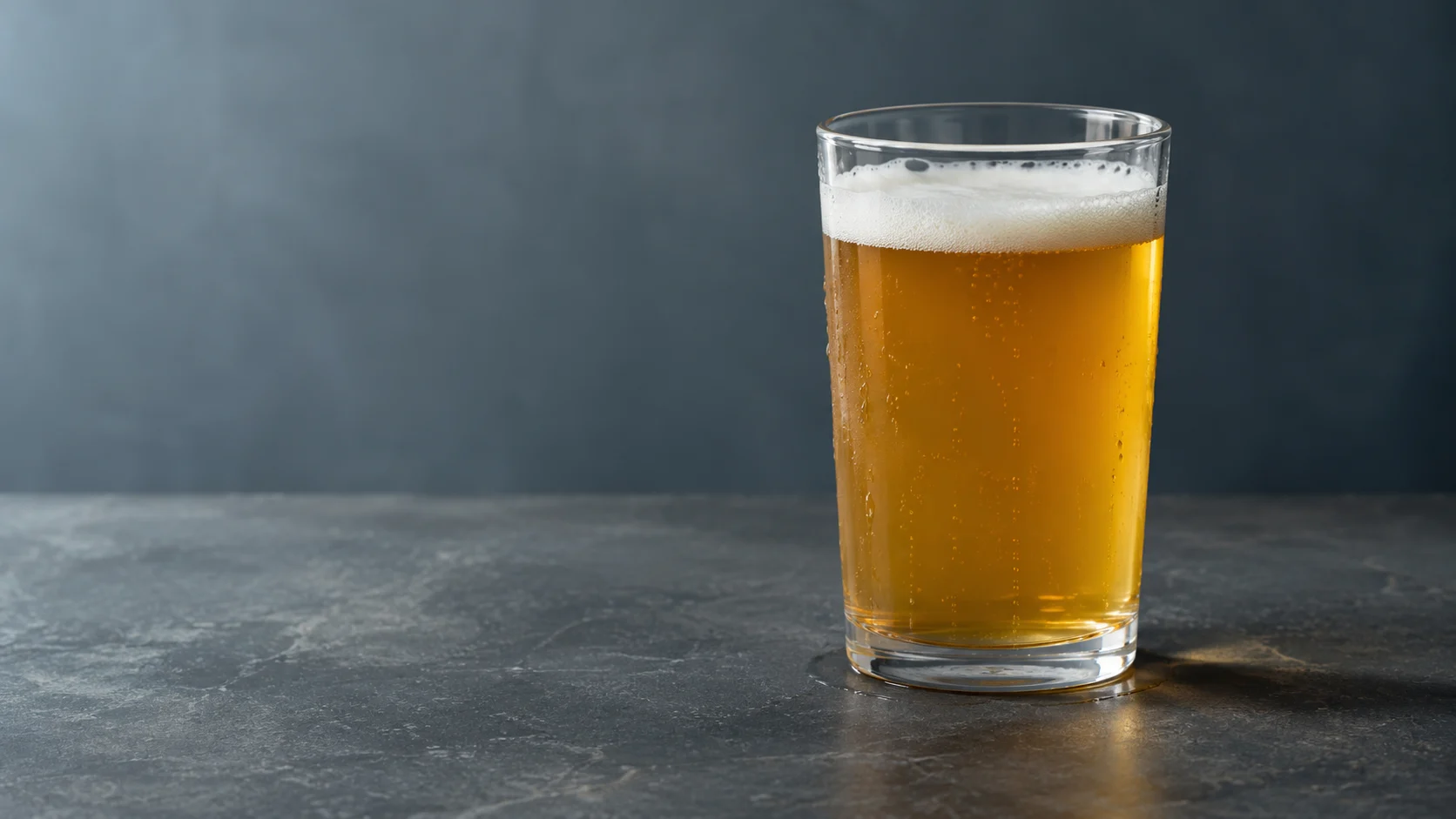
HOW DO YOU TAKE YOURS?
A GLASS,
IF YOU LIKE.
Straight from the can works too.
We just like a good head of foam.
03 / ICE RESEARCH
FOR ICE RESEARCH.
Glaciers hold clues to past climates. We want to help researchers keep studying them.
From our first sale, we commit 1% of Coldcraft net sales to ice research.
Where the 1% goes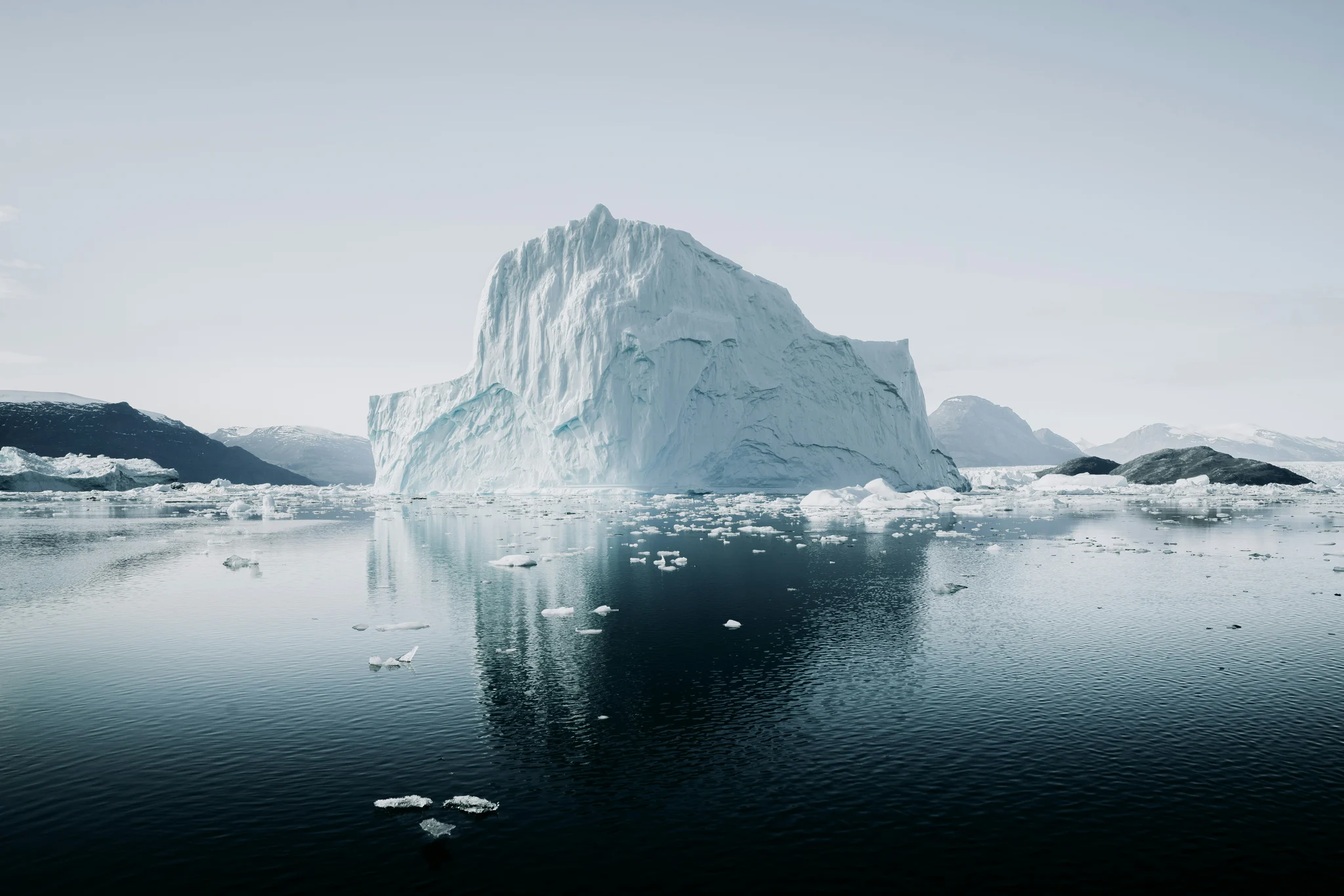 A GOOD REASON TO CARE ABOUT THE COLD.
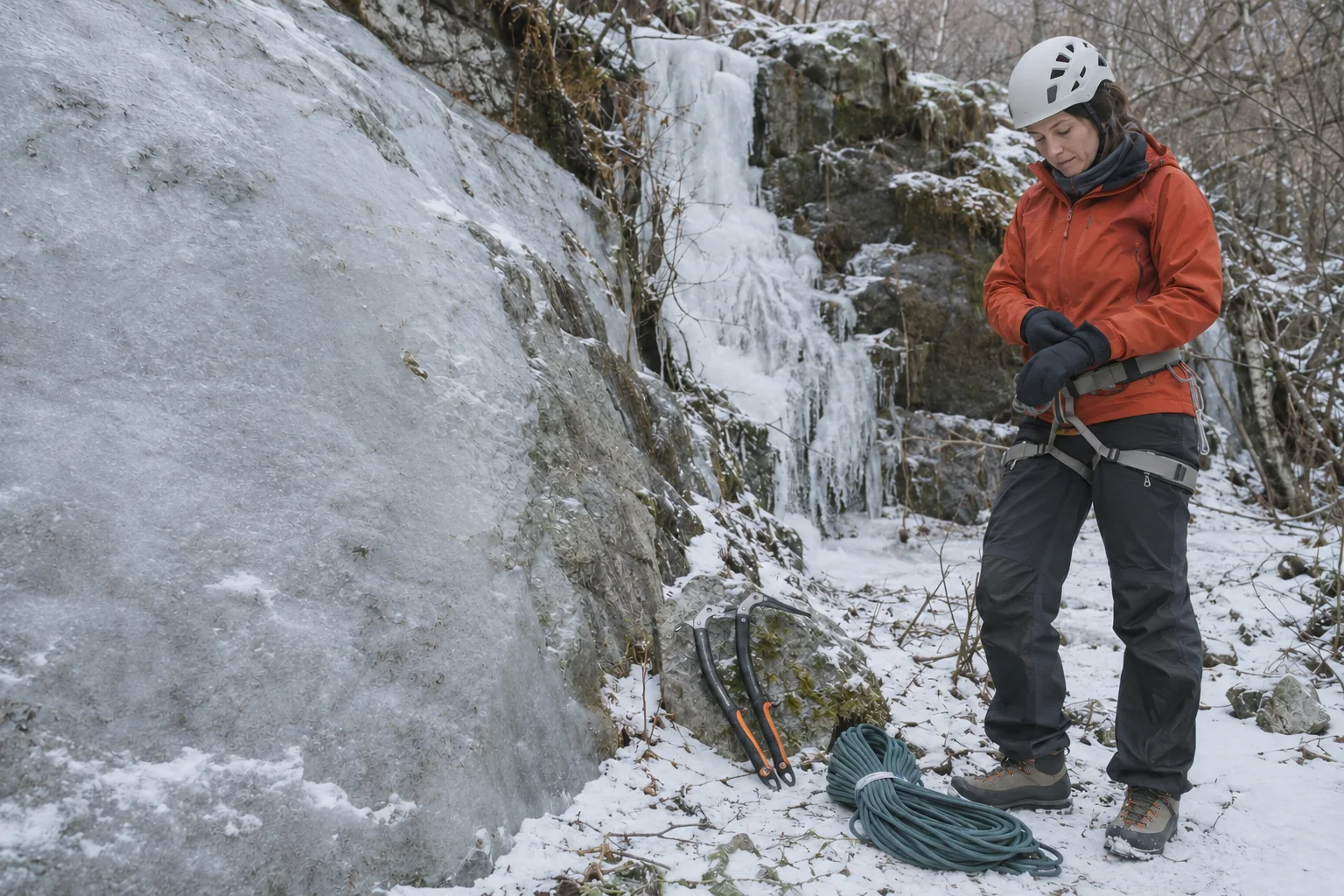
04 / THE COLDCRAFT FIELD TEAM
SEE YOU
OUT THERE.
Climbers, skaters, skiers and riders.
We're putting a team together.
05 / THE JOURNAL
A FEW THINGS TO READ.
All articles
LOOKING FOR A CAN?
FIND
COLDCRAFT.
Find out when and where the beer will be available.
Run a shop or a bar? We'd like to hear from you too.